
Strip-Outs in Western Sydney: Kitchens, Bathrooms and Commercial Units
Renovating a kitchen or bathroom, or getting a warehouse or shopfront ready for a new tenant? We strip it back to what you need: bare frame, bare slab or a clean shell. Older buildings are checked for asbestos first, materials are sorted for recycling, and the space is left clear for your builder or fit-out crew.
- Asbestos handled by SafeWork NSW licensed removalists
- Planned around your builder's start date
- Brick, concrete and steel sorted for recycling
- Block cleared and ready for the slab
What a strip-out covers
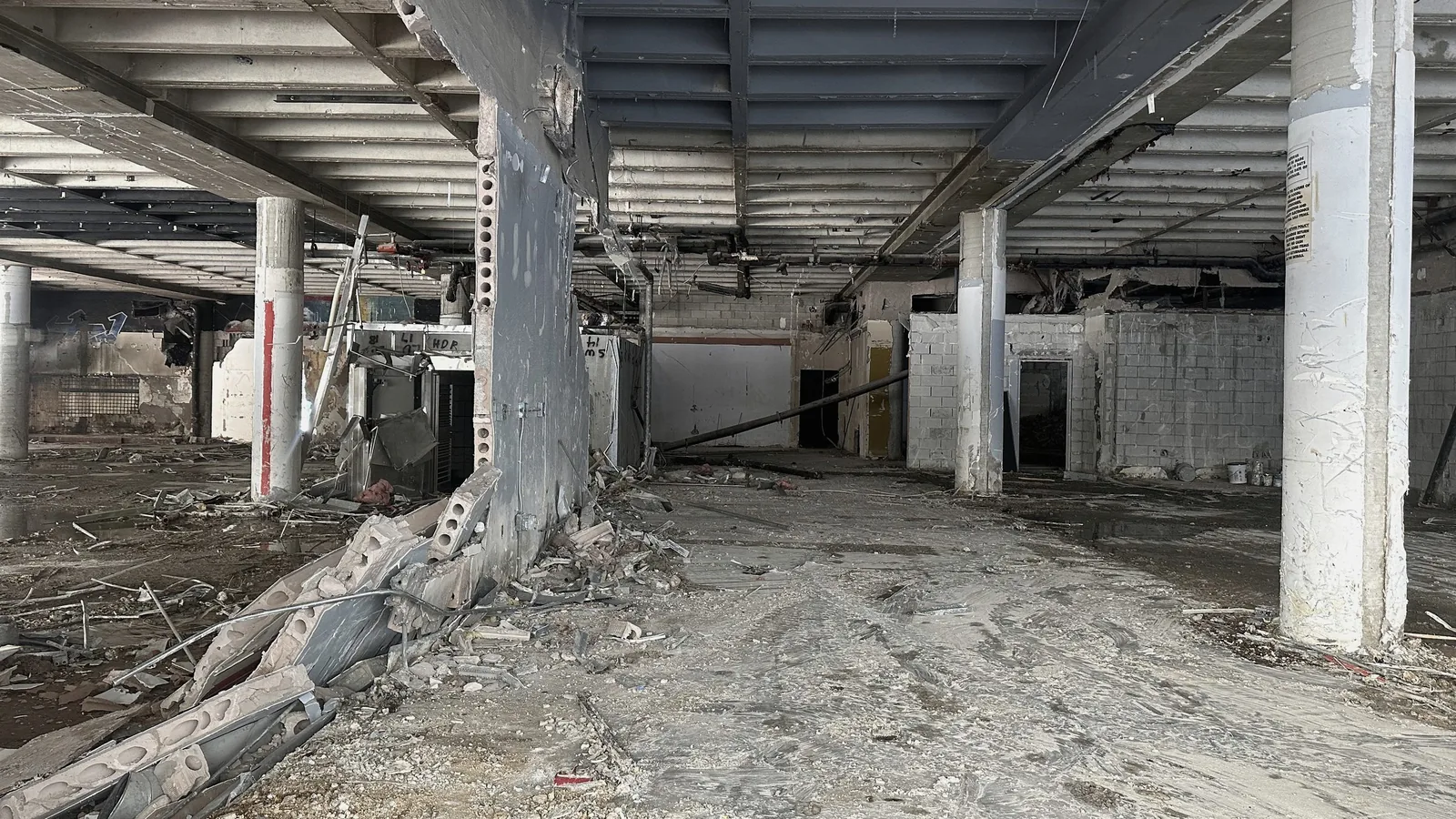
A strip-out takes the inside of a room or building back to an agreed point so the next trade can start. That might be a kitchen down to the studs, a bathroom down to the slab, or a whole warehouse office taken back to a bare shell. The structure stays. Everything agreed comes out.
Kitchen strip-outs
Family homes across Western Sydney are full of kitchens from the 1970s, 1980s and 1990s. We take out the cabinets, benchtops, splashback, tiles, appliances, bulkheads and the old ceiling if needed. Plumbing and electrical are made safe by your licensed trades before we start. The walls and floor are left ready for your kitchen installer.
Bathroom and laundry strip-outs
Bathrooms take more care. Wall and floor tiles come off, along with the bath, shower base, vanity, toilet and screens. In older homes the sheeting behind the tiles and the floor under them can contain asbestos, so these rooms get checked before anyone swings a hammer. We can strip back to the frame and slab so your waterproofer and tiler start clean.
Commercial and industrial strip-outs
Places like Smithfield, Wetherill Park, Seven Hills and Parramatta have a lot of warehouses, factory units, offices and shopfronts that change tenants. We strip out partition walls, suspended ceilings, carpet and vinyl, old shop fittings, mezzanine offices and redundant services. The aim is the shell the landlord or incoming tenant asks for, often back to bare concrete, columns and services.
Commercial jobs come with conditions. Building managers want work hours kept, loading docks and lifts booked, and shared areas protected. We plan around those, and we work from the landlord's make good list or the incoming tenant's scope so nothing is taken out that should have stayed.
Check for asbestos first
If the building went up before 1990, it may contain asbestos. In homes, look at wet areas, vinyl floors, eaves and fibro walls. In older commercial and industrial buildings, it can be in wall and ceiling sheeting, roofing, floor tiles and around old plant.
Have an older building surveyed for hazardous materials before you rip anything out. If asbestos shows up, it goes first, handled by a SafeWork NSW licensed crew, and the strip-out only picks up again once the area has been signed off as clear.
Keeping the rest of the home or building working
Most kitchen and bathroom strip-outs happen while the family is still living in the house. We seal off the work area with plastic, cover the floors on the way in and out, and keep dust down. Rubbish goes straight out to the truck or bin rather than sitting in the yard.
In a commercial building, the units either side are often still trading. We keep noisy work to the agreed hours, keep exits and fire services clear, and leave the site safe at the end of each day.
Sorting and recycling
A strip-out produces a mix of waste, and a warehouse or office floor can fill a lot of trucks. Sorting it as it comes out keeps it out of landfill where we can. Metal from frames, ceiling grid, ducting and old fittings goes to scrap metal recyclers. Concrete and brick are kept separate for crushing. Timber, plasterboard and general waste are separated where practical. Asbestos is kept apart from everything else and only goes to a site that is legally set up for it.
Make good and handover
When the strip-out is done, the space is swept, the waste is gone and any services that need capping are capped by the right licensed trade. Tell us your handover standard up front. A landlord's make good list, a builder's scope or a tenant's fit-out plan spells out what stays and what goes, and we work to it.
Getting a quote
Pop the address in the quote form with some pictures of the rooms or the unit, and attach the scope, make good list or asbestos report if you have one. For commercial jobs, tell us the access times and the loading arrangements. We will come back with a clear quote and a plan.
Why choose us for strip-outs
- Kitchens, bathrooms and laundries in family homes
- Warehouses, shopfronts, offices and industrial units
- Asbestos checked and removed first in older buildings
- Work areas sealed off and dust kept down
- Metal, concrete and brick sorted for recycling
- Left to your builder's scope or the landlord's make good list
Strip-Outs: common questions
Can you strip out a bathroom without damaging the rest of the house?
Yes. The work area is sealed off with plastic, floors are covered on the way in and out, and waste goes straight to the truck or bin. Walls next to the bathroom are protected while the tiles and fixtures come out.
Do you disconnect the plumbing and electrical?
Plumbing and electrical are made safe by licensed plumbers and electricians before the strip-out starts. We line up the timing with them, or with your builder's trades, so the room is safe to work in.
Can you work around a commercial building's rules?
Yes. Where the building manager or lease sets work hours, we plan noisy work around them and book loading docks and lifts ahead. Tell us the building rules when you request a quote.
What does back to a shell mean?
It means taking out the fit-out and leaving the base building: bare floors, walls, columns and the main services. Exactly what stays depends on the landlord's make good list or your builder's scope, so we work from that document.
Ready to clear the block?
Put the address and some pictures into the quote form. We will look over the house, the access and any asbestos, and come back with a straight answer and a price.